


Digital vs Traditional Gate Locks: TCO Analysis for Australian Property Managers
Managing residential complexes, commercial facilities, schools, and strata properties involves balancing security, convenience, and operating costs. While the purchase price of a gate lock is an important consideration, it represents only one part of the investment. Property managers are increasingly evaluating the total cost of ownership (TCO) when deciding between traditional keyed locks and digital gate locks.
In 2026, rising labour costs, tenant turnover, and increased security expectations are driving many Australian property managers towards keyless access solutions. Understanding the long-term costs and operational benefits can help you choose the right locking system for your property portfolio.
What Is Total Cost of Ownership (TCO)?
Total cost of ownership refers to the complete cost of purchasing, operating, maintaining, and replacing a security system over its lifespan.
For gate locks, TCO may include:
- Initial purchase price
- Installation costs
- Maintenance requirements
- Key replacement expenses
- Lock replacement following lost or stolen keys
- Administrative time
- Downtime caused by security incidents
- Product lifespan
Looking beyond the upfront price often provides a clearer picture of long-term value.
Traditional Gate Locks: Lower Initial Cost, Higher Ongoing Expenses
Traditional keyed gate locks remain widely used because they are familiar and generally inexpensive to purchase. However, ongoing operational costs can increase over time, particularly across properties with multiple users.
Common long-term expenses include:
- Cutting replacement keys
- Managing master key systems
- Replacing locks after lost or stolen keys
- Locksmith callouts
- Rekeying during tenant turnover
- Time spent tracking key distribution
For large residential or commercial properties, these recurring costs can add up significantly over several years.
Digital Gate Locks: Higher Investment, Greater Long-Term Efficiency
Modern digital gate locks generally involve a higher upfront investment, but they can reduce many of the ongoing costs associated with physical keys.
Key operational advantages include:
- Elimination of key cutting expenses
- Reduced need for lock replacement after lost keys
- Faster access management
- Simplified contractor access
- Improved convenience for authorised users
- Lower administrative workload
Mechanical keypad locks can offer additional savings by eliminating battery replacement and electrical installation costs.
Comparing the Long-Term Costs
When evaluating TCO, property managers should compare both direct and indirect costs.
|
Traditional Gate Locks |
Digital Gate Locks |
|
Lower purchase cost |
Higher purchase cost |
|
Ongoing key management |
Minimal key management |
|
Frequent rekeying |
Code changes instead of replacing keys |
|
Locksmith callouts |
Reduced maintenance requirements |
|
Physical key storage |
Keyless access management |
|
Security risks from lost keys |
Reduced exposure to lost key incidents |
For properties with regular staff changes or tenant turnover, digital gate locks often provide stronger long-term value despite the higher initial investment.
The Hidden Cost of Lost Keys
Lost or unreturned keys remain one of the most common security issues faced by property managers.
Replacing a single key may appear inexpensive, but the overall cost can include:
- Rekeying affected locks
- Producing replacement keys
- Contractor labour
- Security risks while keys remain unaccounted for
- Administrative time
For strata communities, schools, sporting facilities, or commercial buildings, these hidden costs can quickly exceed the price difference between traditional and digital gate locks.
Why Audit Trails Matter
Many modern digital access systems offer activity tracking or audit trail capabilities, providing greater visibility over property access.
Depending on the locking system selected, audit trail features may help property managers:
- Monitor authorised access
- Improve accountability
- Investigate security incidents
- Support workplace safety procedures
- Simplify compliance reporting
These capabilities are becoming increasingly valuable across commercial buildings, industrial sites, and larger residential developments where access control is a priority.
Which Lock Is Best for Your Property?
The right solution depends on your property's size, usage, and security requirements.
Traditional gate locks may still suit:
- Single residential properties
- Low traffic gates
- Budget-conscious projects
Digital gate locks are often better suited for:
- Strata complexes
- Commercial properties
- Schools and childcare facilities
- Shared residential communities
- Industrial premises
- Properties with frequent staff or tenant changes
Evaluating both immediate and ongoing costs helps determine which option offers the greatest return over time.
Reliable Solutions for Keyless Gate Access
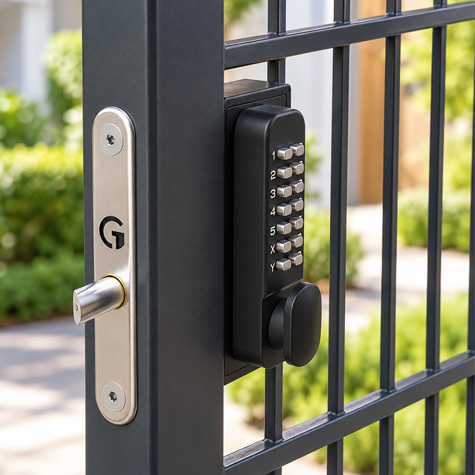
For property managers seeking practical keyless entry, mechanical keypad solutions such as the Superlatch digital gate lock and the Gatemaster Superlock range provide reliable options for timber and metal gates without requiring batteries or electrical wiring. These products can be explored as part of a broader access control strategy.
Make a Smarter Long-Term Investment
When viewed through the lens of total cost of ownership, digital gate locks often provide greater operational efficiency, reduced administration, and improved security compared with traditional keyed systems. While the initial investment may be higher, the long-term savings in key management, maintenance, and security can deliver substantial value for Australian property managers.
Locks Galore offers a comprehensive range of digital gate locks and security hardware to suit residential, strata, commercial, and industrial applications. Explore the range today to find a solution that supports your property's long-term security and operational needs.