

Key Cabinet Placement and Security: Best Practices for Hotels, Real Estate and Facilities Teams
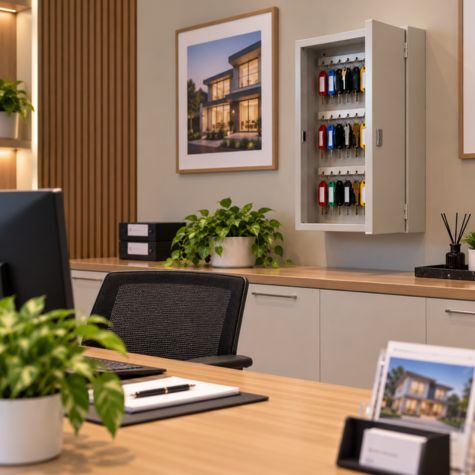
For hotels, real estate agencies, facilities managers, and commercial organisations, effective key management is about much more than storing spare keys. Keys provide access to guest rooms, apartments, offices, plant rooms, vehicles, and restricted areas, making them valuable assets that require appropriate protection.
While choosing the right key cabinet is important, where and how it is installed plays an equally significant role in maintaining security. Proper placement supports efficient daily operations, helps reduce the risk of unauthorised access, and can contribute to stronger security procedures and insurance compliance.
This guide outlines best practices for selecting the ideal location and managing a key cabinet in commercial environments.
Why Key Cabinet Placement Matters
A high-quality key cabinet cannot deliver maximum security if it is installed in an unsuitable location.
Poor placement can increase the risk of:
- Unauthorised access
- Key theft
- Accidental damage
- Staff congestion
- Inefficient workflows
- Security breaches
Strategic placement improves both security and operational efficiency.
Install the Cabinet in a Secure Area
The first step is selecting a location that limits public access while remaining convenient for authorised staff.
Suitable locations often include:
- Staff-only offices
- Secure administration rooms
- Facilities management offices
- Reception back offices
- Access-controlled storerooms
Avoid installing key cabinets in publicly accessible areas where visitors or contractors may be able to observe key handling procedures.
Restrict Access to Authorised Personnel
Not every employee requires unrestricted access to every key.
Good security practice includes:
- Limiting cabinet access to authorised staff
- Assigning clear access responsibilities
- Updating access permissions when roles change
- Removing access immediately when employees leave
Reducing the number of people with cabinet access lowers overall security risks.
Position the Cabinet for Efficient Workflows
Hotels, property managers, and facilities teams often retrieve keys dozens of times each day.
When selecting a location, consider:
- Staff movement patterns
- Ease of access during busy periods
- Visibility for authorised personnel
- Distance from reception or administration areas
- Safe access during emergencies
A well-positioned key cabinet improves efficiency without compromising security.
Secure the Cabinet Properly
Installation quality is just as important as cabinet selection.
Ensure the cabinet is:
- Securely fixed to a solid wall
- Installed using appropriate fixings
- Positioned at a comfortable operating height
- Protected from accidental impacts
- Located away from excessive moisture or heat
Correct installation helps prevent tampering while improving long-term durability.
Keep Keys Organised
An organised key cabinet allows staff to locate and return keys quickly.
Best practices include:
- Clearly labelling every key
- Using numbered hooks
- Separating departments or properties
- Maintaining consistent key positions
- Removing obsolete or duplicate keys
Good organisation reduces delays and helps minimise misplaced keys.
Conduct Regular Key Audits
Routine audits are an essential part of effective key management.
Regular inspections help businesses:
- Confirm all keys are accounted for
- Identify missing keys promptly
- Review access permissions
- Update inventory records
- Strengthen internal security procedures
Hotels and real estate agencies, in particular, benefit from regular auditing due to the frequent movement of keys between staff.
Support Insurance and Security Compliance
Many businesses operate under internal security policies or insurance requirements relating to access control.
A well-managed key cabinet can support compliance by helping organisations:
- Demonstrate responsible key management
- Restrict unauthorised access
- Protect sensitive areas
- Maintain documented procedures
- Improve overall risk management
Although specific insurance requirements vary, organised key control is widely recognised as an important component of commercial security.
Consider Future Growth
As businesses expand, their key management needs often increase.
Choosing a key cabinet with additional capacity provides:
- Space for future keys
- Better organisation
- Reduced need for upgrades
- Improved operational flexibility
Planning ahead can save both time and money as your organisation grows.
Explore Practical Key Storage Solutions
Facilities teams managing larger properties may benefit from the Digital Key Cabinet 48 Key Capacity, which offers secure digital access and organised storage for expanding key inventories. Smaller offices, real estate agencies, or reception areas can consider the Key Cabinet 20 Key Capacity as a practical solution for securely storing frequently used keys.
Strengthen Your Key Management Strategy
Choosing the right key cabinet is only part of an effective security strategy. Proper placement, controlled access, organised storage, and regular audits all contribute to stronger security and more efficient day-to-day operations. For hotels, real estate agencies, and facilities teams, these best practices help protect valuable assets while supporting professional key management.
Locks Galore offers a comprehensive range of key cabinets, digital key storage solutions, and commercial security products for businesses across Australia. Explore the range today and find a secure, reliable solution that supports your organisation's operational and security requirements.