

Securing Medications & Controlled Substances: Cabinet Lock Requirements for Australian Healthcare Facilities
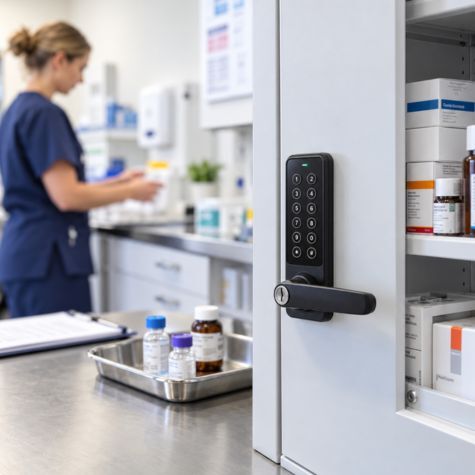
Healthcare facilities handle medications, prescription drugs, and controlled substances every day, making secure storage an essential part of patient safety and regulatory compliance. Whether in hospitals, medical clinics, aged care facilities, pharmacies, veterinary practices, or allied health centres, reliable cabinet locks help protect restricted items while limiting access to authorised personnel.
As healthcare organisations continue to strengthen security practices in 2026, selecting appropriate cabinet locks is becoming increasingly important. While storage requirements vary depending on the type of medication and applicable legislation, quality locking systems form an important part of an effective security strategy.
Why Secure Medication Storage Matters
Medication cabinets often contain valuable and highly regulated items that require controlled access.
Secure cabinet locks help healthcare facilities:
- Restrict unauthorised access
- Protect patients and staff
- Reduce the risk of theft or tampering
- Support internal security procedures
- Improve accountability
- Protect confidential medical supplies
A reliable locking system also contributes to better day-to-day operational control.
Understanding Regulatory Requirements
Healthcare providers must comply with a range of federal, state, and territory regulations governing the storage of medicines and controlled substances.
Depending on the facility and medication type, requirements may relate to:
- Secure storage
- Controlled access
- Record keeping
- Restricted staff access
- Physical security measures
While the Therapeutic Goods Administration (TGA) regulates therapeutic goods in Australia, storage requirements for medicines, particularly controlled substances, may also be governed by state and territory legislation, professional standards, and organisational policies. Facilities should always consult the relevant regulatory requirements that apply to their location and operations.
Choosing the Right Cabinet Lock
Different healthcare environments have different security needs.
When selecting cabinet locks, consider:
- Level of security required
- Number of authorised users
- Frequency of access
- Existing cabinet design
- Ease of operation
- Durability
- Maintenance requirements
The appropriate solution should balance strong security with practical day-to-day use.
Mechanical vs Electronic Cabinet Locks
Healthcare facilities commonly choose between mechanical and electronic cabinet locks.
Mechanical Cabinet Locks
Advantages include:
- Reliable operation
- Simple maintenance
- Cost-effective solution
- Long service life
- Straightforward installation
They are often suitable for lower-risk storage areas with a limited number of authorised users.
Electronic Cabinet Locks
Electronic systems can provide additional functionality, including:
- PIN code access
- Individual user credentials
- Reduced reliance on physical keys
- Easier access management
- Audit trail capabilities on selected models
These features make electronic locks particularly valuable in facilities where higher levels of accountability are required.
Why Access Control Is So Important
Securing medications is about more than locking a cupboard. It also involves controlling who can access stored items.
Good access control practices include:
- Restricting access to authorised personnel
- Reviewing user permissions regularly
- Removing access when staff leave
- Monitoring access procedures
- Maintaining secure storage protocols
Effective access control helps reduce security risks while supporting internal governance.
Regular Maintenance Supports Reliable Security
Even high-quality cabinet locks require regular inspection and maintenance.
Routine maintenance should include:
- Checking lock operation
- Tightening loose hardware
- Inspecting for signs of wear
- Cleaning locking mechanisms
- Replacing worn components when necessary
Regular maintenance helps ensure storage remains secure and reliable throughout the life of the cabinet.
Support Compliance with Good Security Practices
Although locking hardware alone does not guarantee regulatory compliance, it plays an important role in a broader medication security strategy.
Healthcare facilities should also consider:
- Staff training
- Written access procedures
- Regular security audits
- Accurate record keeping
- Routine cabinet inspections
Combining quality hardware with robust internal procedures creates a stronger overall security framework.
Explore Secure Cabinet Lock Solutions
Healthcare facilities looking to enhance storage security can explore the range of Combination Cabinet Locks, which provide convenient keyless access for authorised users while helping reduce reliance on physical keys. For medical records, confidential files, and administrative documentation, Filing Cabinet Locks also offer an effective way to secure sensitive information within healthcare environments.
Strengthen Medication Security with the Right Cabinet Locks
Secure medication storage is a vital part of protecting patients, supporting staff, and maintaining compliance with applicable healthcare requirements. By selecting durable cabinet locks, implementing appropriate access controls, and maintaining clear security procedures, healthcare facilities can improve the protection of medicines and controlled substances while supporting safer day-to-day operations.
Locks Galore offers a comprehensive range of cabinet locks, cupboard locks, filing cabinet locks, and commercial security solutions suitable for healthcare facilities, pharmacies, aged care providers, and medical practices across Australia. Explore the range today and choose reliable storage security solutions designed for professional environments.